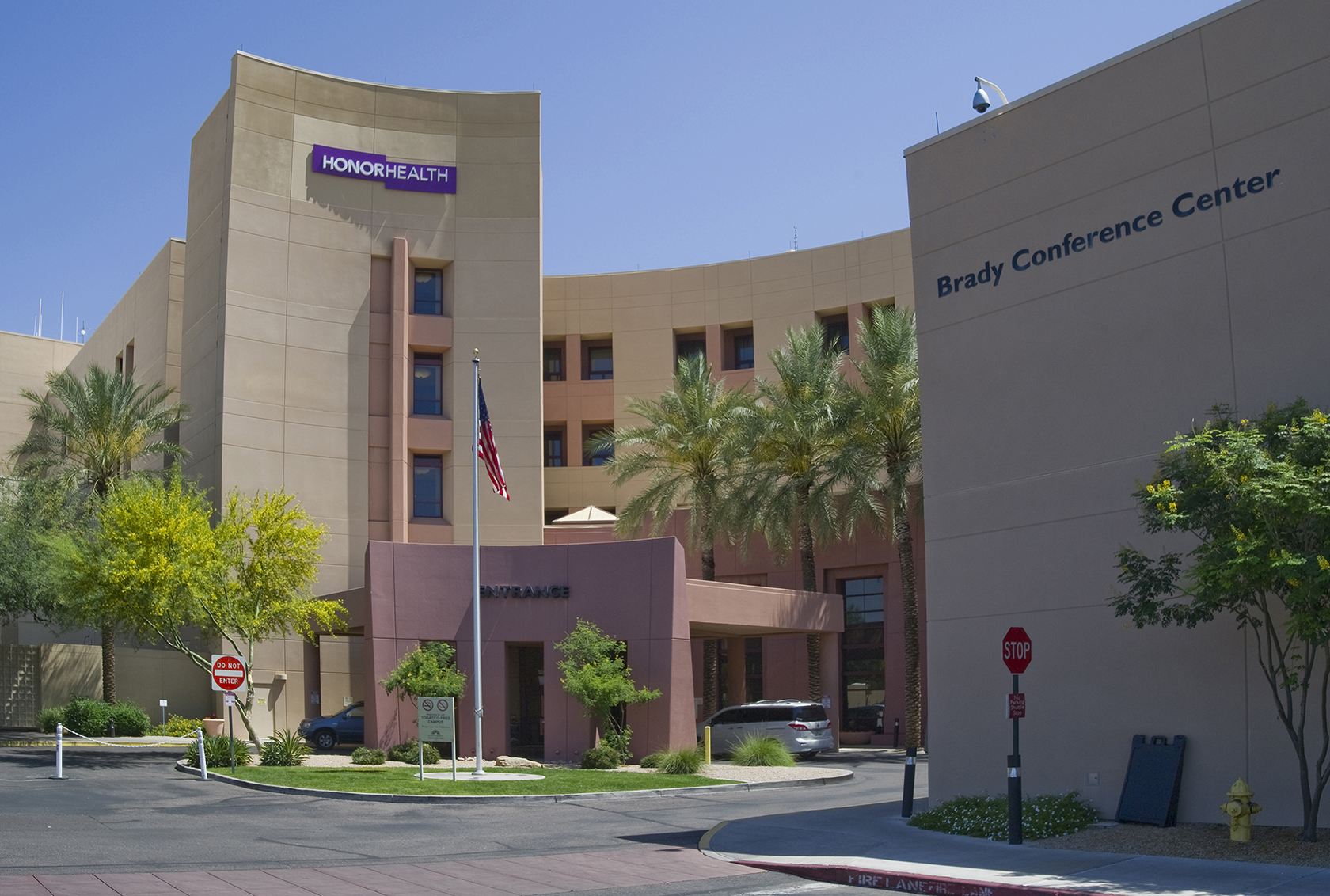
You’re driving down Shea Boulevard and there it is. The sprawling campus of HonorHealth Scottsdale Shea Medical Center sits right at the heart of the community, but most people only think about what’s inside when an emergency hits or a specialist referral lands in their inbox. It’s a massive operation. Honestly, it’s a bit of a maze if you aren't prepared.
Finding the right entrance matters. Trust me. If you’re heading for a scheduled surgery and you park by the ER, you’re in for a half-mile hike through polished corridors. This hospital has evolved from a smaller regional facility into a 433-bed powerhouse that serves as a cornerstone for healthcare in the East Valley. It isn't just a building; it’s a hub for some of the most complex robotic surgeries and neonatal care in Arizona.
Why Scottsdale Shea Medical Center is Actually Different
Most hospitals do the basics. They stitch you up, manage your meds, and send you home. But Shea has carved out a specific identity within the HonorHealth system. While the Osborne campus downtown handles the heavy trauma cases, Shea is where you go for specialized heart health, cancer treatment, and maternity.
It’s one of the few places in the region that carries the Magnet designation for nursing excellence. That’s not just a fancy plaque on the wall. It basically means the nurses have more autonomy and the hospital maintains better patient-to-nurse ratios than your average facility. People notice. You can feel the difference in the vibe of the hallways—it’s professional, sure, but there’s a distinct lack of that frantic "chaos" you find in understaffed city wards.
The Virginia G. Piper Cancer Center
Right on the same campus, you’ll find the Virginia G. Piper Cancer Center. This is a big deal. It’s not just an oncology office; it’s a site for Phase I clinical trials. When standard treatments fail, people come here from all over the Southwest to see what’s next in medical science. They partner with TGen (The Translational Genomics Research Institute), which means the person treating your or your loved one's illness might actually be the same person researching the genetic markers of that specific disease.
Navigating the Birthing Center and NICU
If you’re in Scottsdale and you’re pregnant, everyone asks: "Are you going to Shea?" It’s sort of the default answer for a reason. The Labor and Delivery unit is massive. But here’s the kicker—it’s the Level III Neonatal Intensive Care Unit (NICU) that provides the real peace of mind.
Life happens.
Sometimes babies come early. Having a Level III NICU means they can handle almost anything except the most extreme surgical cases that require a specialized children's hospital. For most high-risk pregnancies, this is the destination. The rooms are private, which seems like a small detail until you’re three days into a recovery and realize how much you value not sharing a curtain with a stranger.
Robotic Surgery and the Tech Factor
They’ve gone all-in on the da Vinci Surgical System. It sounds like sci-fi, but it’s just the reality of modern medicine at Scottsdale Shea Medical Center. Surgeons use these robots for everything from urology to complex gynecological procedures.
Why should you care?
- Smaller incisions.
- Faster discharge.
- Way less scarring.
If your doctor suggests "traditional" open surgery for a gallbladder or a prostate issue, it’s worth asking if they’ve consulted with the robotic team at Shea. Often, you can turn a week-long hospital stay into an overnight observation just by switching the approach.
The Logistics: Parking, Food, and Sanity
Let’s talk about the stuff that actually stresses people out. Parking. The main lot can be a nightmare during peak visiting hours (usually mid-morning). There is a parking garage, and you should use it. It beats circling the surface lots in 110-degree Arizona heat while you're already worried about a family member.
Food-wise, the cafeteria is actually... okay? It’s better than you’d expect. There’s a Starbucks on-site, too, which is basically the lifeblood of the exhausted parents and weary doctors walking the halls at 3:00 AM.
Knowing Your Way Around
The hospital is divided into different "pavilions."
- The Shea North Pavilion is where a lot of the newer surgical suites are.
- The Women’s Center has its own dedicated entrance.
- Emergency is clearly marked with red signage off 92nd Street.
If you are coming for a procedure, check your paperwork for the specific "Gate" or "Entrance" number. Following the GPS to the general address will just drop you at the front door, which might be a ten-minute walk from where you actually need to check in.
Common Misconceptions About the Facility
One thing people get wrong is thinking that Shea is the "trauma center." It’s not. If there’s a major high-speed car wreck on the 101, the ambulance is likely heading to HonorHealth Scottsdale Osborn or John C. Lincoln. Shea is a "Level IV" trauma center, meaning they can stabilize you, but they specialize in planned, acute care and specific emergencies like heart attacks or strokes.
Speaking of strokes, they are a Certified Primary Stroke Center. This is critical. In the world of neurology, "time is brain." Their protocols for administering clot-busting drugs are refined to the point of being a well-oiled machine. If you’re in North Scottsdale and someone shows signs of a stroke, this is where you want to be.
The HonorHealth Network Connection
You can't look at Shea in a vacuum. It’s part of a massive ecosystem. This is actually a benefit for patients because your records move with you. If you saw a primary care doctor in Anthem or had an X-ray in Fountain Hills, the doctors at Shea can pull those images up in seconds. It prevents that annoying "we need to redo the tests because we don't have the files" situation that plagues so many other hospital visits.
The integration extends to their Epic electronic health record system. You can use the "MyChart" app to see your lab results often before the doctor even calls you. It’s a bit of a double-edged sword—sometimes seeing a "high" flag on a blood test without context is scary—but the transparency is generally a good thing.
Actionable Steps for Your Visit
Don't just show up and hope for the best. Medical visits are stressful enough. If you have an upcoming appointment or need to utilize the services at Scottsdale Shea Medical Center, follow this checklist to make it suck less:
- Pre-Register Online: HonorHealth pushes their digital check-in hard. Use it. It saves you twenty minutes of sitting in a plastic chair filling out forms about your great-grandfather’s medical history.
- Validate Your Location: Call the specific department the day before. Ask, "Which entrance and which parking lot is closest to your desk?"
- Bring a Jacket: It doesn't matter if it's 115 degrees outside; the interior of Shea is kept at roughly the temperature of a meat locker to control bacteria and keep the equipment cool.
- Request a Patient Advocate: If you feel like you aren't being heard or the discharge plan is confusing, ask for an advocate. They are there to bridge the gap between "medical speak" and "human speak."
- Download the App: Get the MyChart app set up before you arrive. It’s the fastest way to track your vitals, message your care team, and see your bill without waiting for the mail.
- Check Your Insurance Twice: While HonorHealth takes most major plans (Cigna, BCBS, Aetna, UnitedHealthcare), certain "narrow network" plans might exclude specific specialists who work inside the building but aren't employees of the hospital itself.
Staying informed is the only way to navigate a system this large. Scottsdale Shea is a top-tier facility, but you still have to be your own best advocate. Whether you're there for a new baby, a cardiac consult, or a rough night in the ER, knowing the layout and the specialties of the house gives you a massive head start on your recovery.