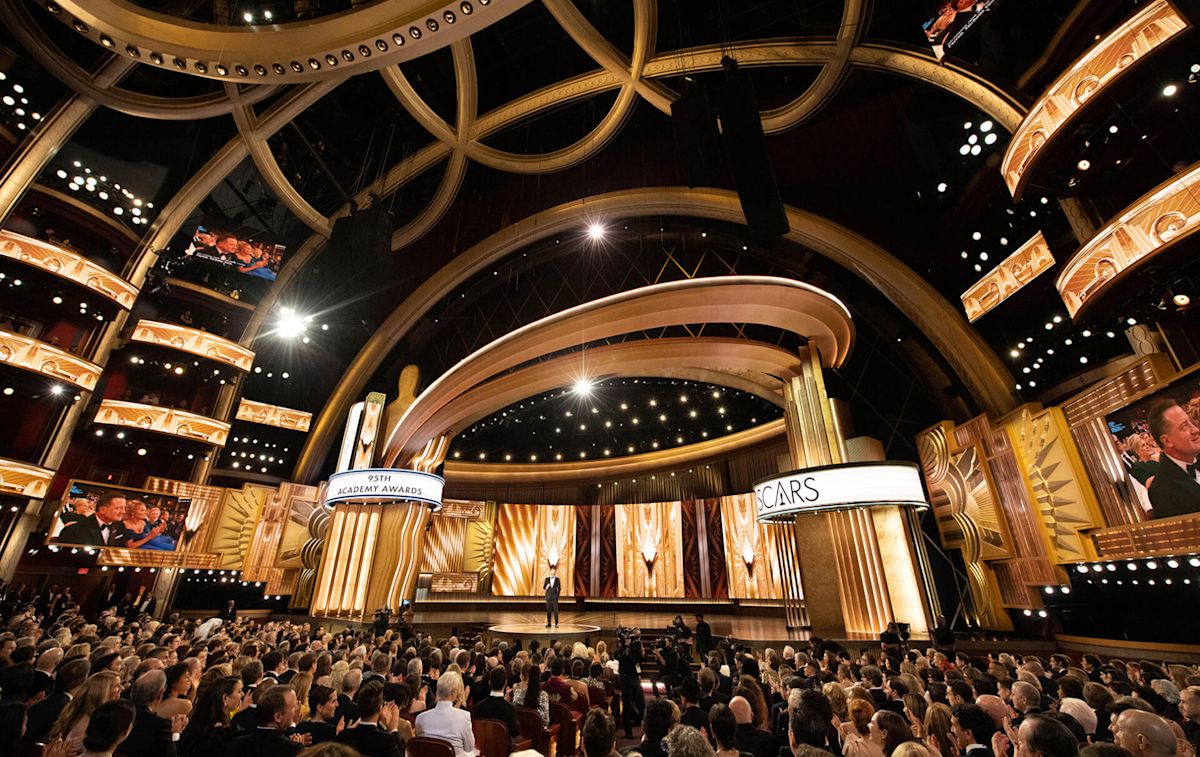
You’re sitting on the couch, the snacks are gone, and you’ve watched three different tributes to "the magic of cinema." It’s 11:15 PM on the East Coast. You start wondering: how long are the oscars actually supposed to be?
Honestly, the answer is a moving target. If you tuned into the very first Academy Awards in 1929, you would’ve been out the door in 15 minutes. No, that’s not a typo. Fifteen minutes. Fast forward to 2002, and the show dragged on for a staggering four hours and twenty-three minutes. That’s longer than it takes to fly from New York to Las Vegas.
The Standard Runtime (And Why It Never Sticks)
Technically, the Academy and ABC aim for a three-hour broadcast. That’s the "official" window. But let’s be real—the three-hour mark is basically a myth at this point.
Over the last few decades, the average length of the Oscars has settled somewhere between three and a half and nearly four hours. The 2024 ceremony, for instance, clocked in at around 3 hours and 23 minutes. It was actually considered "tight" by Hollywood standards because it started an hour earlier (7:00 PM ET) to try and capture the East Coast audience before they fell asleep.
The 2025 ceremony, hosted by Conan O’Brien, followed a similar pattern. It was scheduled for a three-and-a-half-hour block, but the final runtime landed closer to 3 hours and 50 minutes. Why? Because live TV is chaotic.
What actually eats up the clock?
It isn't just the awards. You’ve got:
- The Monologue: Usually 10 to 15 minutes of roasting the front row.
- Best Original Song Performances: Five of these, often with elaborate stage setups.
- The "In Memoriam" Segment: A high-production tribute that takes 5-7 minutes.
- Acceptance Speeches: The biggest wildcard. The Academy tells winners they have 45 seconds before the "get-off-stage" music starts, but stars like Al Pacino or Meryl Streep aren't exactly easy to play off.
Shortest vs. Longest: The Record Holders
Looking back at history makes you realize how much the "event" has swallowed the actual "awards."
- The Shortest: 1929. As mentioned, 15 minutes. They didn't even have a broadcast; it was just a dinner at the Hollywood Roosevelt Hotel.
- The Longest: 2002. Whoopi Goldberg hosted. The show lasted 4 hours and 23 minutes. Most people remember this as the year Halle Berry and Denzel Washington won their historic Best Actress and Best Actor trophies, but they also remember the sheer exhaustion of watching it.
- The Recent Trend: Since 2020, producers have been desperate to stay under the 3.5-hour mark. They’ve tried everything from cutting the "In Memoriam" shorter to (infamously and unsuccessfully) trying to present craft awards like Film Editing during commercial breaks.
Why Does It Feel Longer Lately?
The weird thing is that even if the runtime stays the same, the pacing makes it feel longer. In 2021, the ceremony was held at Union Station due to the pandemic. There were no musical performances and a lot more talking. Even though it was technically "short" (around 3 hours), it felt like a marathon because the energy was so low.
Contrast that with a high-energy host or a year with massive blockbusters like Oppenheimer or Barbie. When people actually care about who wins, the three and a half hours fly by. When the nominees are mostly indie films no one saw, every minute feels like ten.
The "Early Start" Experiment
In 2024 and 2025, the Academy moved the start time up. By starting at 4:00 PM PT / 7:00 PM ET, they managed to finish the broadcast before midnight for East Coast viewers. This was a direct response to years of complaints that the Best Picture winner wasn't announced until 11:45 PM on a Sunday night—a brutal time for anyone with a 9-to-5 job.
What to Expect for Future Broadcasts
If you’re planning an Oscar party for 2026 or beyond, don't count on a quick night.
Expect to commit at least three hours and forty-five minutes to the main event. If you’re a die-hard who watches the "Countdown to the Red Carpet" and the "Red Carpet Live" specials, you’re looking at a 6 to 7-hour commitment.
The Academy is caught between a rock and a hard place. If they cut the "boring" awards like Sound Mixing or Live Action Short, the industry gets furious. If they keep them, the casual audience gets bored. Their current solution seems to be keeping all 24 categories in the live show but aggressive "pre-packaging" of some segments to save precious seconds.
Pro-Tips for Managing the Length
- Record and Delay: Start watching 45 minutes late. You can skip the commercials and the "meaningful" montages of movies you’ve already seen. You’ll usually catch up to the live feed right around the time they announce Best Director.
- The "Hulu" Factor: In 2025, the Oscars were streamed live on Hulu for the first time. This didn't necessarily change the length, but it did change how people engaged with it—pausing for snack runs became much easier.
- Follow the Clock: The major acting awards usually happen in the last hour. If you only care about the big names, tune in 2.5 hours after the start time.
The reality is that as long as the Oscars are a "prestige" event, they will be long. You can't fit a year of cinematic history, 24 gold statues, and a dozen musical numbers into a tight 60-minute window. Just make sure you have a comfortable chair and plenty of coffee for that final Best Picture envelope.
If you're planning to watch the next ceremony, keep a list of the Best Picture nominees handy. Knowing the backstories of the films makes the inevitable "lulls" in the three-hour-plus broadcast much more tolerable. Tracking your personal winners on a ballot is also the tried-and-true method for staying awake until the final credits roll.