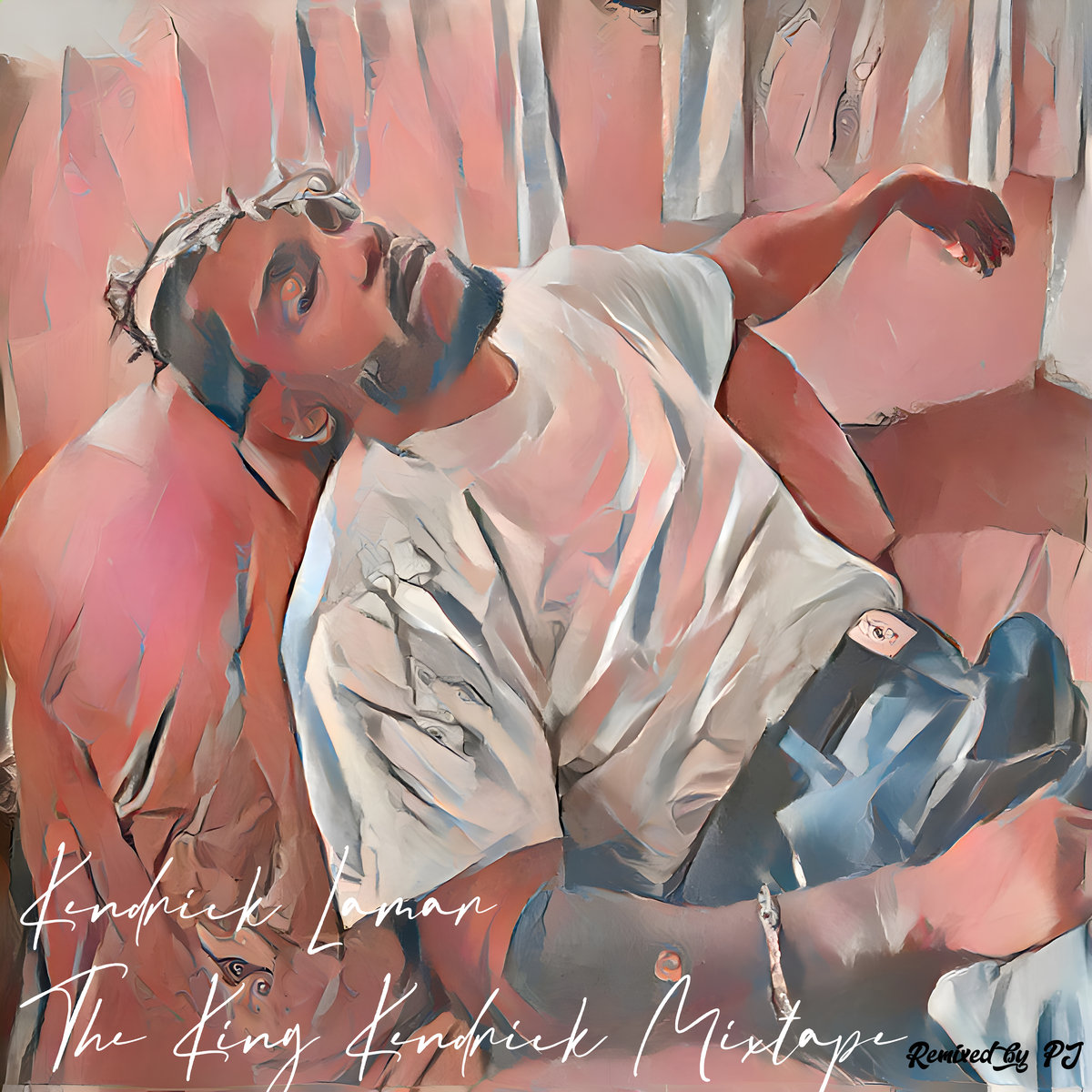
Back in 2010, the rap world didn't really know what to do with a kid from Compton who didn't sound like he wanted to kill everyone in the room. This was the era of the blog-rap boom. You had Wiz Khalifa’s weed anthems and Drake’s emotional R&B-rap fusion taking over. Then came Kendrick Lamar Overly Dedicated mixtape, a project that basically acted as a "Hello, World" for the man who would eventually win a Pulitzer.
But if you look at it now, people treat it like some dusty relic. They talk about it as a "stepping stone" to Good Kid, M.A.A.D City. That’s a mistake. Honestly, if you listen closely, the DNA of everything Kendrick is today—the voices, the crushing survivor's guilt, the jazz-flecked production—is already right there, screaming to be heard.
The Moment K.Dot Died
For the uninitiated, Kendrick used to go by K.Dot. Under that name, he was a lyrical athlete, sure, but he sounded a lot like a Lil Wayne clone. He was "rapping to rap."
September 14, 2010, changed that.
When Top Dawg Entertainment (TDE) dropped Kendrick Lamar Overly Dedicated mixtape, it wasn't just a collection of songs. It was a funeral for an persona. He stopped trying to mimic the titans of the South and started talking about his actual life. "Human Music," he called it. The cover art itself is a grim collage of legends who died of overdoses—Pimp C, Jimi Hendrix, Michael Jackson—framed around the idea of being "overly dedicated" to a craft that might eventually kill you.
It's heavy stuff for a 23-year-old.
Why "The Heart Pt. 2" is Still His Best Intro
The mixtape kicks off with "The Heart Pt. 2," and it’s arguably the most raw he’s ever been. He’s rapping over a Roots beat, and by the end of the second verse, he’s literally gasping for air. He’s coughing. He’s out of breath. It wasn't a "cool" studio take. It was a guy pouring his soul out so fast his lungs couldn't keep up.
He says: “I swear to God most of y'all cats just don't know Kendrick.” He was right. We didn't. But we were about to.
Breaking Down the Sound of OD
The production on the Kendrick Lamar Overly Dedicated mixtape feels like a hazy afternoon in a Carson, California studio. It’s not the polished, cinematic boom of his later Interscope records. It’s gritty. It’s soulful. You have Sounwave, Tae Beast, and Willie B—the Digi+Phonics crew—finding their synergy with Kendrick for the first time.
- Ignorance Is Bliss: This is the track that changed his life. It’s a cold, calculated look at street violence where Kendrick raps from the perspective of a gang member, but ends every verse with the hook's title. Dr. Dre heard this on YouTube and reportedly decided right then that he needed to work with the kid. No OD, no Aftermath deal. Simple as that.
- P&P 1.5: An update to a track from his previous EP. It’s got that signature TDE "riding in the car" vibe. It features Ab-Soul and tackles the escapism of "Pussy & Patron" when the world is falling apart.
- Alien Girl (Today, W/ Her): This is where we see the experimental Kendrick. It’s weird, it’s melodic, and it showed he wasn't afraid to get a little "out there" with his concepts.
- Michael Jordan: Okay, let's be real. This song is a bit of a departure. It’s Kendrick trying his hand at a "club banger" with ScHoolboy Q. It’s the one track where the Lil Wayne influence still peeks through the curtains. Some fans hate it; some love it for the nostalgia.
The Dr. Dre Connection and the "Instant" Fame
There’s a common myth that Kendrick was an overnight success once Dre found him.
That’s not quite how it went.
Kendrick Lamar Overly Dedicated mixtape had to do the heavy lifting first. It sold about 12,000 copies in its first couple of years—tiny by today’s standards, but huge for an independent West Coast artist in 2010. It built a bridge between the "conscious" rap fans and the street rap fans. He wasn't preaching; he was observing.
The nuanced perspective in "Average Joe" is what really hooked people. He wasn't a kingpin, and he wasn't a saint. He was just a guy from Rosecrans who happened to be a genius with a pen. He made being "normal" in a violent environment feel like a superpower.
What Most People Get Wrong About the Themes
A lot of critics look back at OD and call it "simple." They say it lacks the grand narrative of his later concept albums.
I'd argue the opposite.
The theme is right there in the title. It's about the cost of ambition. On "R.O.T.C. (Interlude)," he’s literally weighing the options of joining the military or selling drugs just to survive while he waits for rap to pay off. It’s the sound of a man standing at a crossroads.
If you go back and listen to "H.O.C," he’s talking about being the only guy in the room who doesn't smoke weed, despite being a rapper. He was already subverting expectations of what a "Compton rapper" was supposed to be. He was lonely in his sobriety and his dedication.
Actionable Insights for the "Day One" Fans
If you’re a newer fan who only knows DAMN. or Mr. Morale, you need to treat the Kendrick Lamar Overly Dedicated mixtape as the syllabus for the rest of his career.
- Listen for the Voices: You’ll hear early versions of the high-pitched, manic delivery he perfected on To Pimp a Butterfly.
- Watch the "Ignorance Is Bliss" Video: It’s a time capsule of 2010 TDE. Low budget, high intensity.
- Check the Features: This was Jhené Aiko before she was a superstar. It was ScHoolboy Q before the bucket hats. It was a family affair.
- Find the "The Heart" Series: This mixtape houses the second installment of what has become the most important recurring series in hip-hop history.
The Kendrick Lamar Overly Dedicated mixtape isn't just a "good" mixtape for 2010. It’s a vital piece of musical history that proves greatness isn't born—it's refined through an obsessive, almost dangerous level of focus. He told us who he was fifteen years ago. We just had to listen.
To truly understand the evolution, your next move should be comparing the "P&P" original to "Swimming Pools (Drank)." You'll see exactly how Kendrick takes a "party" concept and turns it into a psychological study of addiction.