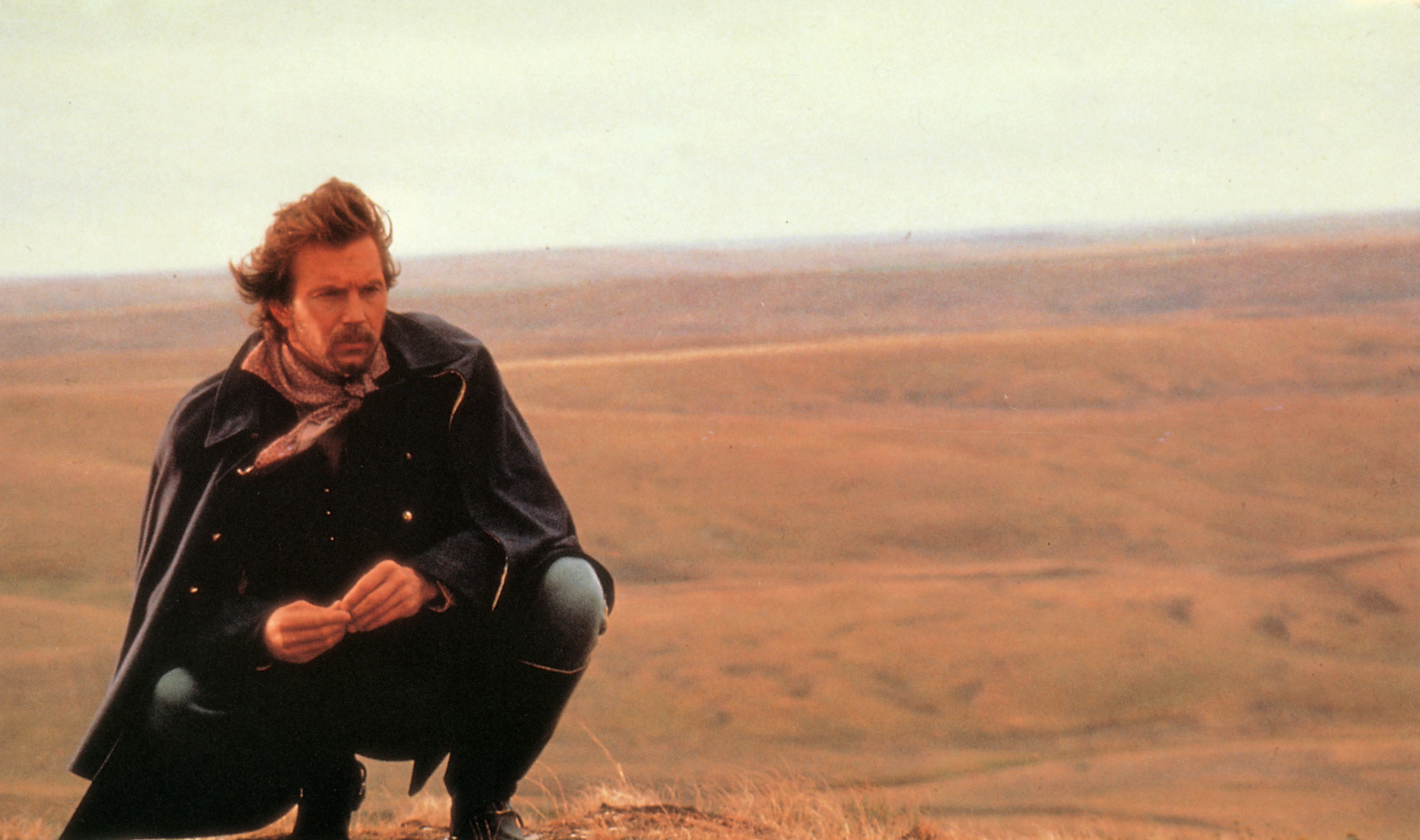
Michael Blake was broke. Like, "sleeping on a friend's floor in Arizona" broke. This wasn't some romanticized version of the struggling artist life; it was a desperate, gritty reality for the Dances with Wolves writer back in the mid-1980s. He had written a screenplay that nobody wanted. He had a vision that Hollywood thought was a total non-starter. Who wants to see a three-hour Western where half the dialogue is in Lakota? Apparently, in 1986, the answer was "absolutely nobody."
If you’ve ever watched the film and felt that deep, rhythmic connection to the frontier, you’re feeling Michael Blake’s soul. He didn't just write a script; he lived in a world of historical obsession. Kevin Costner, who was already a rising star, actually told Blake to stop trying to sell the script and write a novel instead. Costner thought the story needed the "weight" of a book to be taken seriously. He was right. Blake retreated to that floor in Arizona, ate a lot of beans, and pounded out the novel. It still got rejected by dozens of publishers before a small house finally took a chance on it.
The Long Shot That Actually Hit
Most people think the movie happened overnight because Costner was involved. Wrong. Even after the novel existed, the Dances with Wolves writer faced an uphill battle. Hollywood had essentially declared the Western dead. Heaven's Gate had bankrupted a studio just a few years prior, and "period pieces" were considered box office poison. Blake’s script was long, expensive, and didn’t follow the typical "cowboys vs. Indians" tropes that had dominated the genre for decades.
Honestly, it’s a miracle the movie exists at all. Blake stayed true to the source material because he was the source material. He didn't want to compromise on the Lakota language. He didn't want to turn the Native characters into one-dimensional background actors. He insisted on the perspective of John Dunbar being an outsider who is fundamentally changed, not a "white savior" who fixes everything. It’s a nuanced distinction that modern critics still debate, but for 1990, it was revolutionary.
The relationship between Blake and Costner is the stuff of legend. They were friends, but they clashed. That’s what happens when you have two people who care that much about a single vision. Blake was a purist. He saw the American West not as a playground for action, but as a lost world that deserved a proper eulogy.
Why Michael Blake’s Style Was Different
What made the Dances with Wolves writer stand out wasn't just his ability to describe a landscape. It was his pacing. If you read the original novel or the screenplay, you’ll notice he lingers. He lets the silence do the heavy lifting.
- He focused on the "internal" landscape of John Dunbar.
- The dialogue was sparse, making every word count.
- He treated the wolves and the horses as actual characters, not props.
- He avoided the "fast-cutting" style of 80s action movies.
Blake once mentioned in an interview that he felt like he was a man out of time. He didn't belong in the 20th century. This disconnect is exactly why the writing feels so authentic. He wasn't trying to be "meta" or "edgy." He was trying to be honest. When Dunbar writes in his journal, "I have never known a people so eager to laugh, so devoted to family, so dedicated to each other," that wasn't just a line for Blake. It was his thesis.
The Lakota Language and the Battle for Authenticity
One of the biggest hurdles for Blake and the production team was the language. Using Lakota wasn't a gimmick. It was a requirement for Blake. He knew that if the characters spoke English with "Hollywood accents," the magic would evaporate instantly. This led to a massive undertaking where the actors had to be coached by Doris Leader Charge, who also played Pretty Shield in the film.
Can you imagine a studio executive's face when told they’re spending millions on a movie with subtitles? It was unheard of for a major blockbuster at the time. But the Dances with Wolves writer pushed for it. He wanted the audience to feel the same confusion and eventual clarity that Dunbar felt. You’re supposed to feel like an outsider. Then, slowly, as the words become familiar, you become part of the tribe. It’s an immersive narrative trick that few writers pull off well.
Life After the Oscars
Winning the Academy Award for Best Adapted Screenplay changed Blake's life, but it didn't necessarily change his spirit. He didn't suddenly start churning out mindless action flicks for a paycheck. He remained a fierce advocate for Native American rights and the preservation of the American prairie. He wrote a sequel, The Holy Road, which takes a much darker, more tragic look at the encroachment of the "white man's" civilization on the Comanches. It’s a tough read. It doesn't have the same sweeping romanticism as the first book because, as Blake argued, history isn't always romantic.
He was also deeply involved in wild horse advocacy. For Blake, the themes of his writing weren't just for the page; they were a lifestyle. He lived on a ranch. He worked with animals. He stayed away from the Hollywood "scene" as much as he could. This authenticity is why the movie holds up today. You can feel that the guy behind the typewriter actually cared about the dirt, the wind, and the animals he was describing.
Common Misconceptions About the Writing Process
A lot of folks think Kevin Costner wrote the movie. He didn't. He directed and starred in it, and he certainly shaped the final product, but the DNA belongs entirely to Michael Blake. Another weird myth is that the story is based on a specific "true story." While it draws on various historical accounts of "white Indians" (people like Cynthia Ann Parker or the journals of real soldiers), John Dunbar is a fictional creation. He's a composite of the many souls who went West and found themselves horrified by what "civilization" was doing.
Blake was often frustrated by the "white savior" label that some later critics applied to the work. To him, Dunbar wasn't saving anyone—if anything, the Lakota were saving Dunbar from a meaningless, suicidal existence. He saw the story as a tragedy of a man who found his home just as it was being destroyed.
How to Apply Blake’s Writing Philosophy Today
If you're a writer or a storyteller, there's a lot to learn from how the Dances with Wolves writer handled his career. He didn't chase trends. He wrote something so personal and so specific that it became universal.
- Commit to the Research: Blake spent years studying the history of the Great Plains. He didn't just skim a Wikipedia page (not that they had them then). He read journals, studied maps, and spoke to experts.
- Don't Fear Silence: In a world of constant noise, the ability to let a scene breathe is a superpower. Blake’s scripts are famous for their "white space."
- Stick to Your Guns: He could have easily sold a "watered-down" version of the script years earlier. He chose to wait, even when he was broke, to ensure the story was told the right way.
- Character Over Plot: The "plot" of Dances with Wolves is actually pretty simple. It's a guy sitting at a fort. What makes it legendary are the relationships—the friendship with Kicking Bird, the romance with Stands With A Fist, the bond with Two Socks.
The Legacy of a Western Maverick
Michael Blake passed away in 2015, but his impact on the genre is permanent. He didn't just revive the Western; he humanized it in a way that hadn't been seen on that scale before. He took the "myth" of the West and replaced it with a muddy, bloody, beautiful reality.
If you're looking to dive deeper into his mind, don't just stop at the movie. Read the novel. It’s more internal and provides a lot more context for Dunbar’s depression at the start of the story. Then, look into his non-fiction work regarding the buffalo and the preservation of the West. He was a writer who actually gave a damn, and in an industry that often feels like a factory, that's incredibly rare.
Practical Steps for Fans and Researchers
- Visit the Locations: While the movie was filmed largely in South Dakota (specifically near Pierre and the Black Hills), Blake’s inspiration came from the entire expanse of the plains. Seeing that horizon in person explains his writing style instantly.
- Read "The Holy Road": If you want to see the "unsanitized" version of what happened next, this sequel is essential. It’s not a "feel-good" story, but it’s a necessary one.
- Study Doris Leader Charge: To understand the authenticity Blake was striving for, look into the life of the woman who translated his words into Lakota. Her contribution was just as vital as the script itself.
- Support Wild Horse Consvancy: Blake’s true passion was the animals. Supporting organizations that protect wild Mustangs is probably the best way to honor his memory.
Blake’s journey from a friend's floor to the Oscar stage is a reminder that some stories are too big to be suppressed by "market trends." He proved that if you write with enough heart and enough stubbornness, the world will eventually have to listen.
Actionable Insight: To truly appreciate the work of the Dances with Wolves writer, watch the Director’s Cut of the film. It includes nearly an hour of additional footage that restores much of Blake's original pacing and character development that was trimmed for the theatrical release. This version highlights the "slow burn" storytelling that Blake fought so hard to preserve.