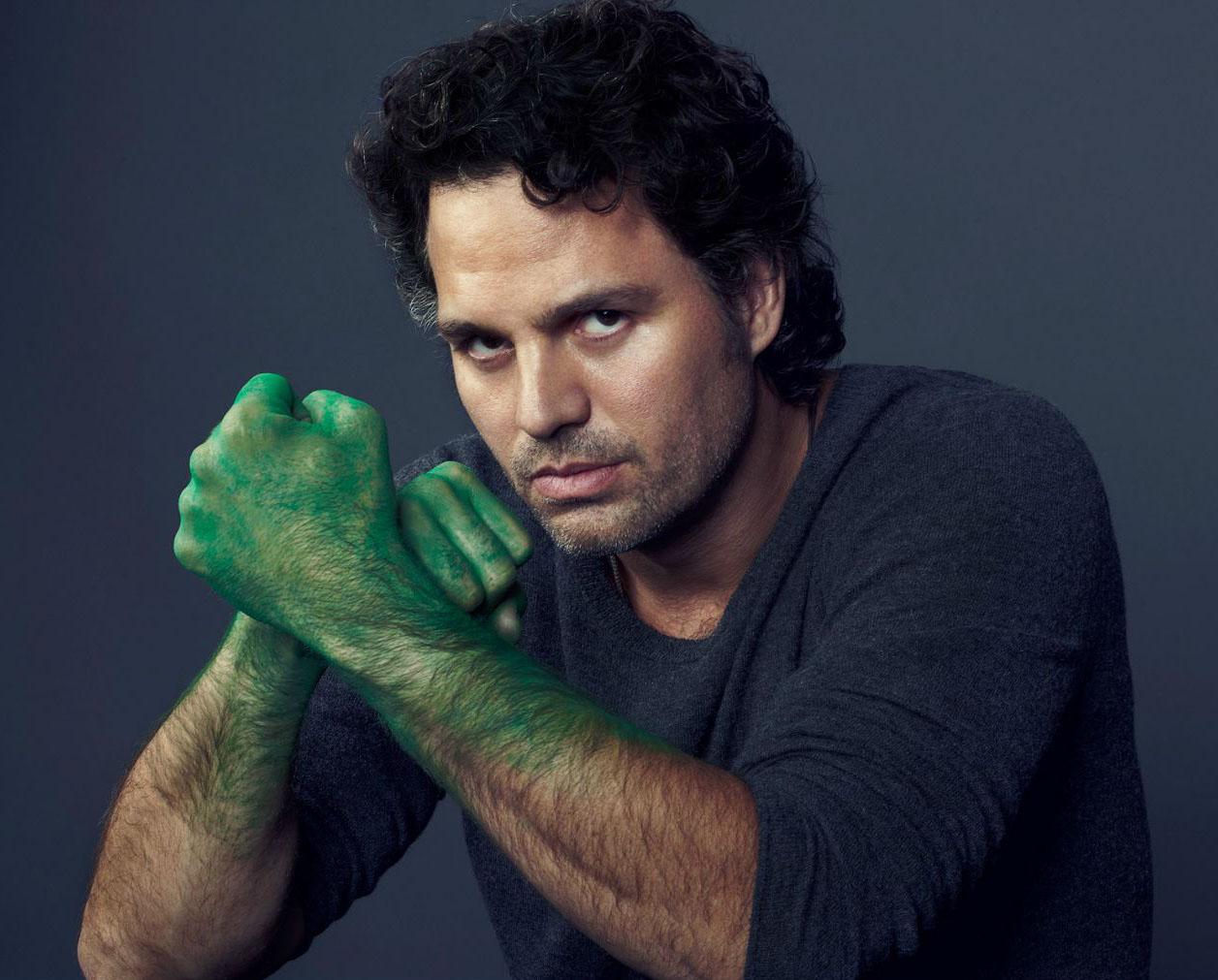
You’ve seen the green guy. Maybe it’s the CGI behemoth in the Avengers movies or the 2003 Ang Lee version that felt more like a Greek tragedy. But for a certain generation, there is only one true version of the character: the wandering, tragic figure from the 1970s TV show.
Wait.
Why did they call him David?
If you pick up a comic book today, it’s Bruce Banner. If you watch Mark Ruffalo, it's Bruce. But from 1977 to 1982, the world knew him as Dr. David Bruce Banner. It’s one of those weird pop culture trivia bits that feels like a glitch in the Matrix.
The Name Game: Why "Bruce" Had to Go
Kenneth Johnson, the creator of the series, had a very specific vision. He didn't want a "comic book" show. He wanted a "serious adult drama" that happened to have a monster in it. Basically, he wanted The Fugitive with a gamma-powered twist.
Johnson felt that alliterative names—the kind Stan Lee loved, like Peter Parker, Matt Murdock, and Reed Richards—felt too "comic-booky." He thought names that started with the same letter were for kids' stories.
So, he chose David. It was his son's name. It felt grounded.
But there’s a messier side to this story.
According to Lou Ferrigno (the man who actually wore the green paint) and Stan Lee himself, CBS executives had a different, much more "70s corporate" reason. They reportedly thought the name Bruce sounded "too gay."
Yeah. Honestly.
Ferrigno once called that reasoning "the most absurd, ridiculous thing" he’d ever heard. Stan Lee was annoyed too. Eventually, they reached a compromise. The character became David Bruce Banner. If you look closely at the pilot episode, his full name is on a tombstone. It was a sneaky way for the production to acknowledge the source material without making the network suits sweat.
A Scientist with a Different Kind of Trauma
In the comics, Bruce Banner is a physicist caught in a gamma bomb blast. It's very "Cold War" and high-stakes.
The TV version of the Incredible Hulk David Bruce Banner is way more personal. Bill Bixby played David as a man haunted by a car accident that killed his wife. He wasn't trying to build a weapon; he was trying to figure out why some people have "superhuman strength" in emergencies.
He thought he was failing as a man because he couldn't lift the car off her.
That guilt is what drives him to the lab. He zaps himself with gamma radiation because he wants to unlock that hidden strength. He gets a massive overdose—not because of a spy or a bomb, but because the equipment was miscalibrated.
It’s a much more intimate, heartbreaking origin.
What People Get Wrong About the Transformation
Most people think he just gets mad and turns green. In the show, it was deeper. It was about stress.
- The flat tire in the rain.
- The frustration of being a "dead man" walking.
- The literal physical pain of his cells changing.
Bixby’s performance was incredible because he made you feel the exhaustion. He wasn't a hero. He was a victim of his own biology. He spent every episode just trying to find a cure and stay out of the way of Jack McGee, that pesky reporter from the National Register.
Behind the Scenes: Bixby and Ferrigno
The dynamic between the two actors was fascinating because they almost never shared the screen. They were the same person, after all.
Lou Ferrigno was only 21 when he started. He was a professional bodybuilder, not an actor, and he was nearly deaf. Bixby basically became his mentor. Even though they didn't film scenes together, Bixby would stay on set to help Lou with his timing and his "acting through the eyes."
The makeup was a nightmare. It took hours. It stained everything. Lou had to wear green contacts that were notoriously painful.
The crew often got sick from the fumes of the paint or just the sheer grind of the 14-hour days. But that bond between the two leads is what kept the show's soul intact. When Bixby directed the later TV movies like The Death of the Incredible Hulk, he made sure the tragedy of the character hit home.
The Legacy of the "Lonely Man"
The show ended with a piano theme. "The Lonely Man."
You know the one. David Banner, thumb out, walking down a dusty road with his backpack.
It’s a vibe that the MCU has tried to copy but never quite nailed. Why? Because modern superhero movies are about saving the world. The 1970s the Incredible Hulk David Bruce Banner was just about a guy trying to survive Tuesday.
He didn't fight supervillains. He fought crooked cops, greedy landlords, and his own temper.
That groundedness is why people still talk about it. It treated the "monster" as a curse, not a superpower. It was a horror-tragedy disguised as a primetime adventure show.
Actionable Insights for Fans and Creators
If you’re looking to revisit this era of the Hulk or you're a writer trying to capture that same "human" feel, here’s how to approach it:
- Watch the Pilot First: Don't skip to the "smashing." The 1977 pilot movie is a masterclass in slow-burn character development.
- Focus on the Eyes: Pay attention to the "white eye" transition. It’s a simple practical effect that’s scarier than most $200 million CGI scenes today.
- Listen to the Score: Joe Harnell’s music isn't just background noise; it's the emotional heartbeat of the series.
- Study the "Fugitive" Formula: If you're creating content, notice how the show uses a rotating cast of characters to tell a "story of the week" while keeping the main character’s arc moving.
The name change to David might have started as a weird corporate hang-up, but it ended up defining a version of the character that feels more human than any version we've seen since. David Banner wasn't a god. He was just a man with a very big, very green problem.