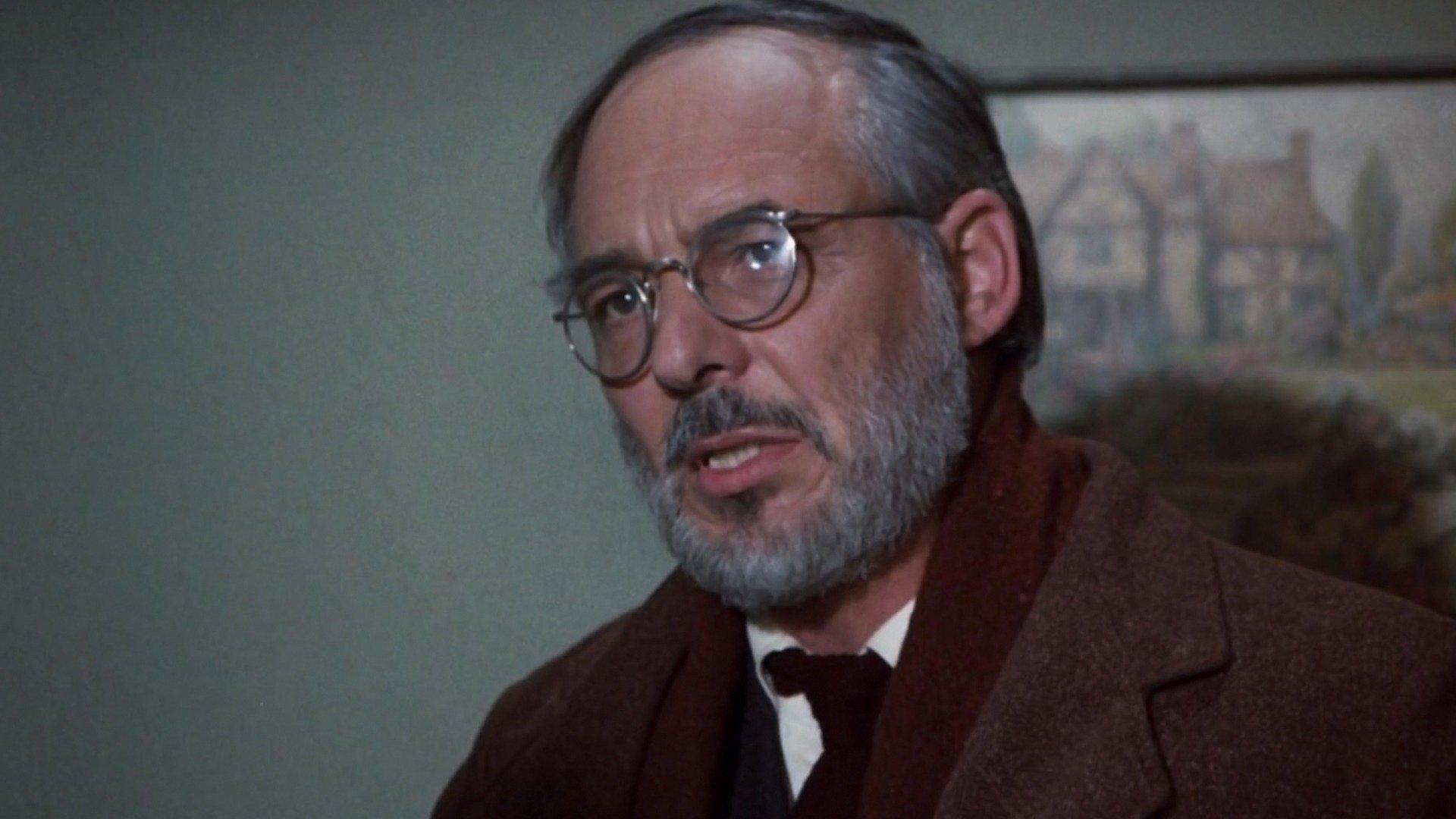
Honestly, if you ask most people how The Waltons ended, they’ll probably describe some golden-hued scene of the whole family gathered around the radio or a tearful goodbye on the porch. But the reality of the final episode, titled The Revel, is a lot weirder, darker, and more somber than the nostalgia-tinted memories we carry around. It didn't end with a neat bow. It ended with a party that almost nobody attended and a protagonist who was basically at rock bottom.
When it aired on June 4, 1981, the show was a shell of its former self. Most of the heavy hitters were gone. Michael Learned (Olivia) had long since departed for a sanatorium storyline because she was burnt out. Ralph Waite (John Sr.) was largely absent. Even the "real" John-Boy, Richard Thomas, had been replaced by Robert Wightman.
It was a strange time for the mountain.
Why The Revel Was Such a Bummer (At First)
The last episode of The Waltons doesn’t start with a celebration. It starts with failure. John-Boy is living in New York, and things are going south fast. His third novel—the one he put his heart and soul into—gets rejected by his publisher. He’s broke. He’s dejected. He actually ends up sleeping on a park bench and getting his typewriter stolen.
Can you imagine? The boy we watched grow up for nine years, the aspiring writer who was the moral compass of the family, is literally destitute in the city.
Meanwhile, back on the mountain, the Baldwin sisters are planning this massive "revel"—a fancy ball to reunite all their old friends. It’s supposed to be this grand, Gatsby-style event. But there’s a problem. They’ve been out of touch for so long that most of the invitations come back marked "deceased" or "address unknown." It’s a heartbreaking metaphor for the show itself; the world was moving on, and the mountain was becoming a lonely place.
The vibe was heavy.
The Turning Point: Family Steps In
The episode really hinges on that moment where the Baldwin sisters realize no one is coming to their party. They’re standing there in their best dresses, the "Recipe" (their famous moonshine) is ready, and the house is silent. It’s one of those scenes that hits you in the gut if you’ve followed the show.
But this is The Waltons. We don't do depressing endings.
The family finds out about the empty ballroom and decides they aren’t going to let these two kind women suffer. They basically cold-call the entire community. They drag people in. They turn it into a party by sheer force of will. John-Boy eventually limps back home from New York, battered but alive, and walks into the party just in time to see the mountain spirits lifted.
It wasn't the original cast, and it wasn't the 1930s anymore, but it worked. Sorta.
Clearing Up the Confusion: The "Movies" vs. The Finale
One thing that trips everyone up is the timeline. Because the series was canceled somewhat abruptly, the creators didn't feel like "The Revel" was the real ending. That’s why we got a string of TV movies afterward.
If you’re looking for the true resolution, you have to look at these:
- A Wedding on Walton's Mountain (1982): Erin finally gets her big day.
- Mother's Day on Walton's Mountain (1982): Deals with Mary Ellen’s health and family bonds.
- A Day for Thanks on Walton's Mountain (1982): This is the one most people confuse with the finale because it feels more "final."
- The 90s Trilogy: These are the ones where Richard Thomas actually returned as John-Boy, which, let's be real, is what we all wanted anyway.
What You Should Actually Do Now
If you want to experience the end of the show the right way, don't just watch "The Revel" and stop. It'll leave you feeling a bit hollow because of the missing cast members.
First, track down the episode "The Revel" (Season 9, Episode 22) just to see the Baldwin sisters' arc. It’s a masterclass in acting by Helen Kleeb and Mary Jackson.
Second, skip the 1982 movies unless you’re a completionist. They’re okay, but the "New John-Boy" era is a tough pill to swallow for some.
Third, go straight to A Walton Thanksgiving Reunion (1993). This is where the magic comes back. Seeing the original cast—older, grayer, but still the same people—deal with the 1960s (including the JFK assassination) provides the closure the 1981 finale lacked. It feels like a real reunion rather than a contract obligation.
The show was always about endurance. Watching the family survive the rejection of a novel or the emptiness of a ballroom is a better tribute to Earl Hamner Jr.’s vision than any "perfect" ending could have been. The mountain didn't close; it just changed.
Revisit those 90s specials if you want the "Goodnight, John-Boy" that actually feels like a goodbye.
Next Steps for You:
If you're planning a rewatch, start by checking the streaming status of the 1993-1997 movies, as they are often licensed separately from the main 9-season series on platforms like Amazon Prime or Freevee. You'll want to verify if they are included in your current subscription before diving back into the mountain lore.