You’ve probably seen the movies or read the novels. The scene usually ends with a dramatic, slow-motion swing of a French executioner's sword and then... fade to black. But for the real Anne Boleyn, the story didn't actually end on that scaffold at the Tower of London on May 19, 1536. In fact, that's where the messiest, most confusing part of her history begins. If you’re wondering where is anne boleyn buried, the short answer is under the floor of a small, quiet chapel called St. Peter ad Vincula. But honestly, it’s not nearly that simple.
History is kinda messy. When Henry VIII decided to get rid of his second wife, he was so focused on the "how" that he basically forgot the "where." There was no royal funeral. No state mourning. No elaborate tomb. In his rush to move on to Jane Seymour, Henry didn't even bother to order a coffin for the woman who had been the Queen of England just hours before.
The Panic After the Sword Fell
Imagine the scene. It’s a Friday morning. The execution is over, and the crowd is starting to filter out of the Tower grounds. The officials realized they had a body on their hands and nowhere to put it. Legend says a soldier had to run over to the Tower’s armory to find an old chest—specifically an elm chest used for storing bow-staves.
They literally crammed the Queen of England into a packing crate.
She was carried just a few yards away to the Chapel of St. Peter ad Vincula. This wasn't some grand cathedral; it was the Tower’s "parish church," basically a place for the prisoners and the local garrison. They dug up some stones in the chancel (the area near the altar) and put her in the ground next to her brother, George Boleyn, who had been executed just two days earlier. No marker. No name. Just a queen in a box under the floorboards.
Where is Anne Boleyn Buried Today?
If you walk into that chapel today, you’ll see a beautiful marble tile with her name and coat of arms. It looks official. It looks certain. But for over 300 years, that spot was totally unmarked. People basically just "kinda" knew she was down there somewhere.
It wasn't until 1876, during the reign of Queen Victoria, that things got weirdly scientific. The chapel was falling apart. The floor was actually sinking in places because so many people had been stuffed under it over the centuries. Victoria ordered a full restoration, which meant the Victorian "Baron" Thomas Babington Macaulay and a surgeon named Dr. Frederic Mouat had to start digging.
They found exactly what you’d expect in a place nicknamed "the saddest spot on earth." They found bones. Lots of them.
The 1876 Exhumation: Finding a Queen
Dr. Mouat was looking for a very specific set of remains. He eventually found the skeleton of a woman in the exact spot historical records said Anne should be. Now, this is where the "expert" part comes in. He didn't just guess. He noted that the bones belonged to a woman in her late 20s or early 30s with a "delicate" frame.
- The Skull: It was small, with a well-formed forehead and a "rather square full chin."
- The Neck: Mouat specifically mentioned the "atlas" (the top neck bone) was tiny, matching the famous "little neck" Anne joked about before she died.
- The Hands: Contrary to the nasty rumors started by her enemies (like Nicholas Sanders), there was no sixth finger. The hands were perfectly normal and delicate.
Once they were satisfied, they didn't leave her there. They put her remains into a new lead coffer and reburied her under the chancel floor. So, when you ask where is anne boleyn buried, the answer is: about two feet beneath that specific memorial tile near the altar.
The "Stolen Body" Myths: Is She Really at Salle?
Now, if you go to Norfolk, you’ll hear a very different story. There’s a persistent legend that Anne’s friends or family—maybe even her father, Thomas Boleyn—sneaked into the Tower at night, dug her up, and spirited her away to Salle Church.
The people in Salle point to a mysterious, unmarked black slab in the church floor. "That's her," they'll tell you. Honestly, it’s a lovely idea. The thought of her resting in her family’s ancestral home instead of the site of her murder is powerful. Even Charles Dickens wrote a fictional story about her body being moved.
But there’s zero evidence for it.
Think about the logistics. The Tower of London was a high-security fortress. Moving a body out of there in 1536 without getting caught would have been basically impossible. Plus, the 1876 discovery of a decapitated female skeleton of the right age pretty much nukes the "secret midnight burial" theory.
The Mystery of the Heart Casket
There’s another weird one. In Erwarton, Suffolk, they found a heart-shaped lead casket in a church wall back in 1838. Local tradition says Anne’s uncle, Sir Philip Parker, took her heart and buried it there because she loved the area so much.
When they opened the casket, it was just... dust.
Was it Anne’s heart? We’ll never know. Without DNA, it’s just another piece of Tudor folklore.
Visiting the Grave in 2026
If you’re planning to visit, you can’t just walk into the chapel whenever you want. Because it’s a Royal Chapel (a "Royal Peculiar"), it’s still an active place of worship.
- Yeoman Warder Tours: This is the best way to see it. The "Beefeaters" take groups into the chapel at the end of their tours.
- The Memorial: You won’t be able to walk right over the grave. It’s cordoned off to protect the floor, but you can see the tile clearly from the pews.
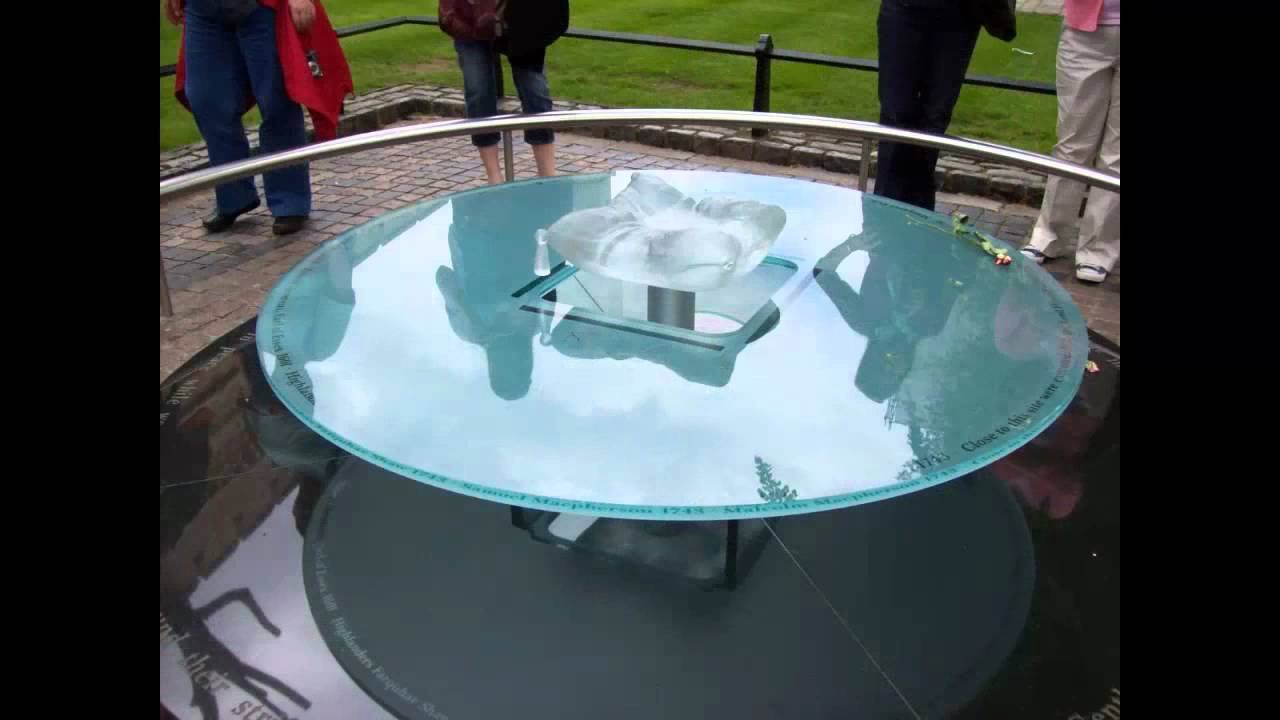
- The Roses: Look for the red roses. Every year on May 19th, an anonymous person sends a bouquet of red roses to be placed on her grave. It’s been happening for decades. No one knows who sends them.
What most people miss
Most visitors look at the tile and think of it as a tomb. It’s actually more of a mass grave. Anne is down there with her cousin Katherine Howard (Henry's fifth wife), Lady Jane Grey, and several others. It’s a cramped, crowded space for a group of women who, in life, were the most powerful people in the country.
The fact that she's still in the Tower is actually a bit of a statement. Her daughter, Elizabeth I, became one of England's greatest queens. People often wonder why Elizabeth didn't move her mom to a grander tomb in Westminster Abbey. The reality? Elizabeth was a pragmatist. Digging up her "adulterous" mother might have reopened old political wounds she wasn't ready to deal with. She honored Anne in her own way, but she left her where she lay.
Practical Steps for Your Visit
If you really want to connect with this history, don't just stare at the floor.
- Check the service times: You can attend a Sunday service at St. Peter ad Vincula. It's free and you get to experience the space as a living church, not just a museum.
- Look at the Altar: Anne's remains are to the left side of the altar as you face it.
- Visit Hever Castle first: To understand why her burial was so tragic, you need to see where she grew up. It makes the "elm arrow chest" at the Tower feel a lot more real.
Anne Boleyn’s final resting place isn't about gold or marble; it’s about the fact that she’s still there, 500 years later, right at the heart of the place that tried to erase her. She’s still the most famous resident the Tower has ever had.