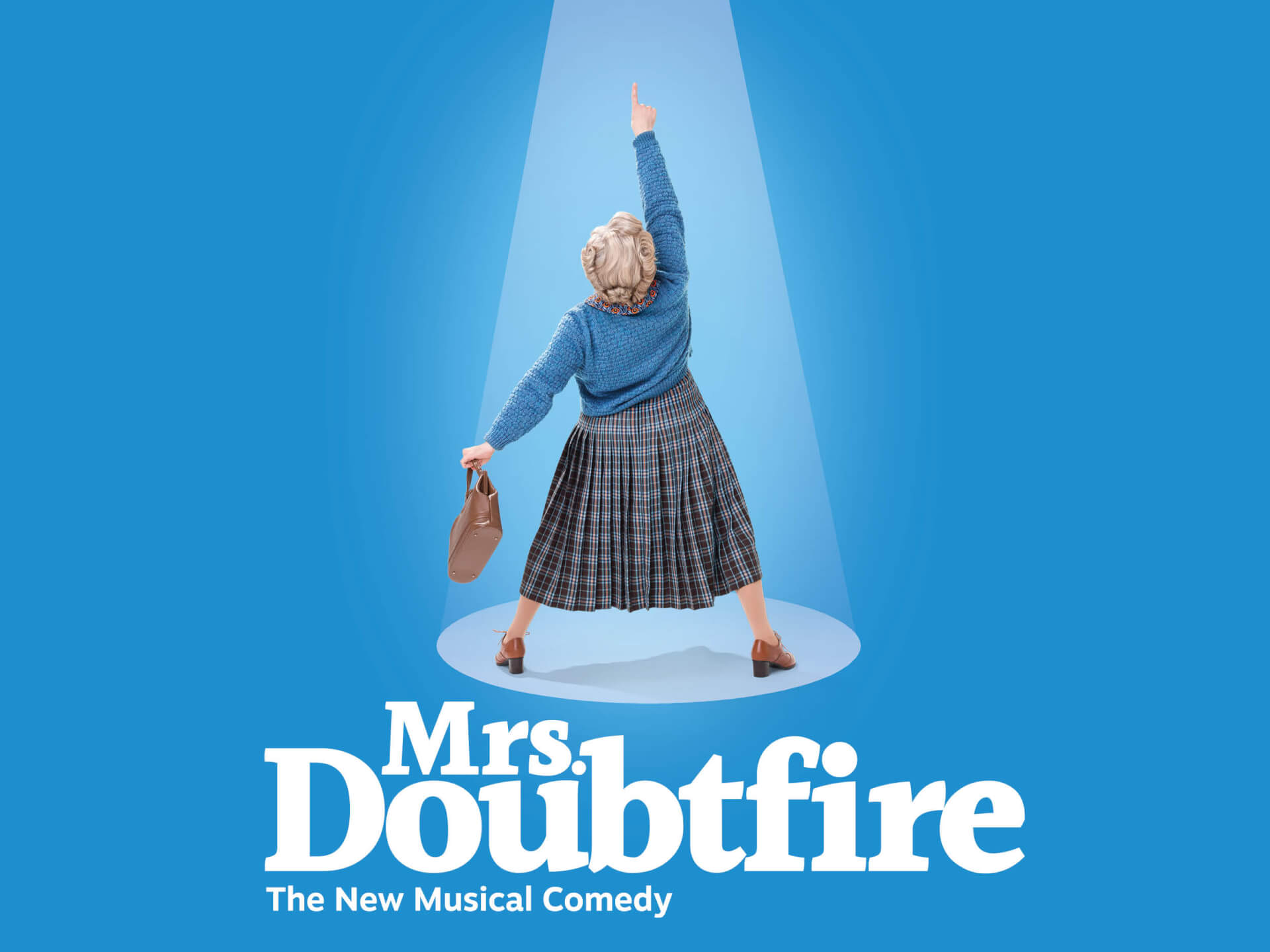
It is hard to imagine a world where a middle-aged British nanny isn't a household name. Seriously. If you grew up in the nineties, you probably spent at least one afternoon trying to mimic that high-pitched, polite-yet-firm accent. But when we look back at who played in Mrs. Doubtfire, we aren't just looking at a list of actors. We are looking at a lightning-strike moment in cinematic history. It was a weird, risky premise that shouldn't have worked as well as it did, yet it remains one of the highest-grossing comedies of all time.
Robin Williams. Obviously.
He didn't just play the lead; he carried the entire production on his back while wearing twenty pounds of latex and spandex. But the movie's longevity actually relies on the people surrounding him. Without a grounded cast to play the "straight man" to his chaotic energy, the film would have just been a series of expensive SNL sketches. Instead, we got a heartfelt story about divorce, transition, and what it means to be a "good" parent when your life is falling apart.
The Man, The Myth: Robin Williams as Daniel Hillard
Robin Williams was at the absolute peak of his powers in 1993. He had just finished Aladdin and Toys, and he was looking for something that allowed him to flex both his improvisational muscles and his dramatic range.
In the film, Williams plays Daniel Hillard, a struggling voice actor who loses custody of his kids and decides—naturally—to dress up as a woman to get hired as their housekeeper. It sounds creepy when you write it down like that. Honestly, it kind of is. But Williams brings this frantic, desperate love to the role that makes you root for him.
The makeup process was a total nightmare.
Every single day, Williams sat in a chair for four hours while Greg Cannom (who won an Oscar for this, by the way) applied layers of foam latex. It wasn't just a mask. It was a series of pieces that allowed his actual expressions to telegraph through the "skin" of Euphegenia Doubtfire. Williams used to test the disguise out in public. Legend has it he once walked into a sex shop in San Francisco dressed as the nanny and bought a large dildo without the clerk recognizing him. That’s commitment to the craft.
Sally Field and the "Thankless" Role of Miranda
If you ask people who played in Mrs. Doubtfire, they usually mention Robin first and maybe the kids second. They often overlook Sally Field.
That is a huge mistake.
Field played Miranda Hillard, the "serious" parent. In any other comedy, she would have been the villain. She's the one who stops the fun, calls the cops, and demands the divorce. But Field plays it with such visible exhaustion and pain that you actually sympathize with her. You realize she isn't "mean"—she’s just the only adult in the room. Field was already a two-time Oscar winner by this point, and she brought a level of prestige that kept the movie from becoming too slapstick. Her chemistry with Williams was vital because you had to believe these two people once loved each other enough to have three children, even if they were now driving each other crazy.
The Kids: Where Are They Now?
The Hillard children were the emotional anchors of the film. Casting kids is always a gamble, but Chris Columbus (the director) hit the jackpot here.
Lisa Jakub (Lydia Hillard)
Lydia was the eldest, the one who saw through the BS and was dealing with the brunt of her parents' split. Lisa Jakub was fantastic in the role. Interestingly, she was actually kicked out of her high school for taking the part because the school wouldn't accommodate her filming schedule. Robin Williams actually wrote a letter to the principal asking them to reconsider. It didn't work, but hey, having a Genie in your corner is a pretty great consolation prize. Jakub eventually left acting in 2001 and is now a writer and yoga teacher who speaks openly about mental health.
Matthew Lawrence (Chris Hillard)
Matthew came from a famous acting family (The Lawrence Brothers). He played the middle child, Chris. He was the one who first discovered the "secret" when he walked in on Mrs. Doubtfire using the bathroom standing up. Lawrence stayed in the industry for a long time, starring in Boy Meets World and various other projects. He’s still active today and frequently does the nostalgia convention circuit.
Mara Wilson (Natalie Hillard)
This was Mara Wilson’s debut. She was five years old. She was so cute it was almost illegal. Shortly after this, she became a massive star in Matilda and Miracle on 34th Street. Mara eventually stepped away from the "big" Hollywood life to focus on writing and voice-over work. Her book, Where Am I Now?, is a fantastic look at what it’s actually like to be a child star in the nineties.
The Supporting Players: Pierce Brosnan and Harvey Fierstein
You can't talk about who played in Mrs. Doubtfire without mentioning "Stu."
Pierce Brosnan played Stuart Dunmeyer, Miranda’s new boyfriend. This was right before he became James Bond. In most movies, the new boyfriend is a jerk. He’s someone the audience is supposed to hate. But Stu? Stu was a great guy. He was handsome, rich, kind to the kids, and genuinely liked Miranda. The only reason we "hate" him is because he isn't Daniel. Brosnan played the role with a perfect amount of smugness that made the "run-away drive-by fruiting" scene incredibly satisfying.
Then there’s Harvey Fierstein.
He played Frank, Daniel’s brother and a professional makeup artist. His scenes with Scott Capurro (who played Jack) are some of the funniest in the movie. The transformation montage where they try different looks on Daniel—ranging from a Beverly Hillbillies character to a terrifying "matchmaker" look—is a masterclass in comedic editing. Fierstein’s gravelly voice and over-the-top energy were the perfect foil for Williams’ manic energy.
The Unseen Stars: The Makeup Team
While not "actors" in the traditional sense, the makeup team is a huge part of the answer to who played in Mrs. Doubtfire.
Greg Cannom, Ve Neill, and Yolanda Toussieng changed the game here. Before this movie, "man in a dress" comedies usually relied on bad wigs and obvious stubble for laughs. Mrs. Doubtfire aimed for realism. They wanted the audience—and the characters—to believe this person could actually exist. They used a combination of foam latex, dental plumpers (to change the shape of Williams’ jaw), and hand-painted liver spots. It was so convincing that the production had to keep Williams in character even when the cameras weren't rolling just to see if people would notice.
Why the Cast Worked
The reason this ensemble remains so beloved is that no one was "wink-winking" at the camera. Everyone played it straight. When Daniel is revealed at the end during the dinner scene, the reaction of the family isn't "funny." It’s devastating. The kids feel betrayed. Miranda feels violated.
If the actors hadn't committed to the drama of that moment, the comedy wouldn't have mattered.
Key Facts About the Production
- Improvisation: Robin Williams ad-libbed so much that Chris Columbus had to run three cameras at once to catch all the variations. There are reportedly versions of the film that are R-rated because of Williams' off-color jokes during the Doubtfire takes.
- The Bridge Scene: The scene where Daniel loses his mask out the window was actually a practical effect that went wrong, and Williams’ reaction was genuine.
- The Location: The house used in the film is a real residence in San Francisco (2640 Steiner Street). After Robin Williams passed away in 2014, it became a makeshift memorial where fans left flowers and letters.
Digging Deeper: The Legacy of Euphegenia
Looking back, the movie handles some themes that feel a bit dated, but the core message—that families come in different shapes—was actually pretty progressive for 1993. The ending is the most important part. Unlike most Hollywood movies of that era, the parents don't get back together.
That was a huge deal.
The studio originally wanted a "happy" ending where Daniel and Miranda reconcile. Robin Williams and Chris Columbus fought against it. They argued that for children of divorce, seeing a fake reconciliation would be cruel. They wanted to show that even if Mom and Dad aren't in the same house, they still love you. That emotional honesty is why the movie is still being discussed over thirty years later.
Actionable Insights for Fans and Historians
If you are looking to revisit the world of Mrs. Doubtfire or understand its impact better, here are a few things you can do right now:
- Watch the Deleted Scenes: The Blu-ray and some streaming versions include deleted scenes that are much darker than the final cut. There is a specific scene involving a spelling bee where Daniel and Miranda have a screaming match that changes the entire tone of the movie. It’s worth watching to see how the film's "vibe" was carefully curated in the edit.
- Explore Greg Cannom’s Work: If you were fascinated by the makeup, look up Cannom’s other transformations in films like The Curious Case of Benjamin Button or Vice. It’s a dying art form in the age of CGI.
- Read Mara Wilson’s Memoirs: For a look at what the set was like from a child’s perspective, her writing is incredibly insightful and avoids the usual "Hollywood gossip" tropes.
- Visit the San Francisco Landmarks: If you’re ever in the Bay Area, the Steiner Street house is easy to find, but remember it’s a private residence. Be respectful.
The cast of Mrs. Doubtfire wasn't just a group of actors showing up for a paycheck. They were a perfectly calibrated machine. From the leads to the smallest supporting roles—like Robert Prosky as the grumpy TV station owner—everyone contributed to a movie that managed to be both a slapstick riot and a genuine tear-jerker. It remains the definitive "makeup comedy" because it never forgot that under the latex, there had to be a human heart.