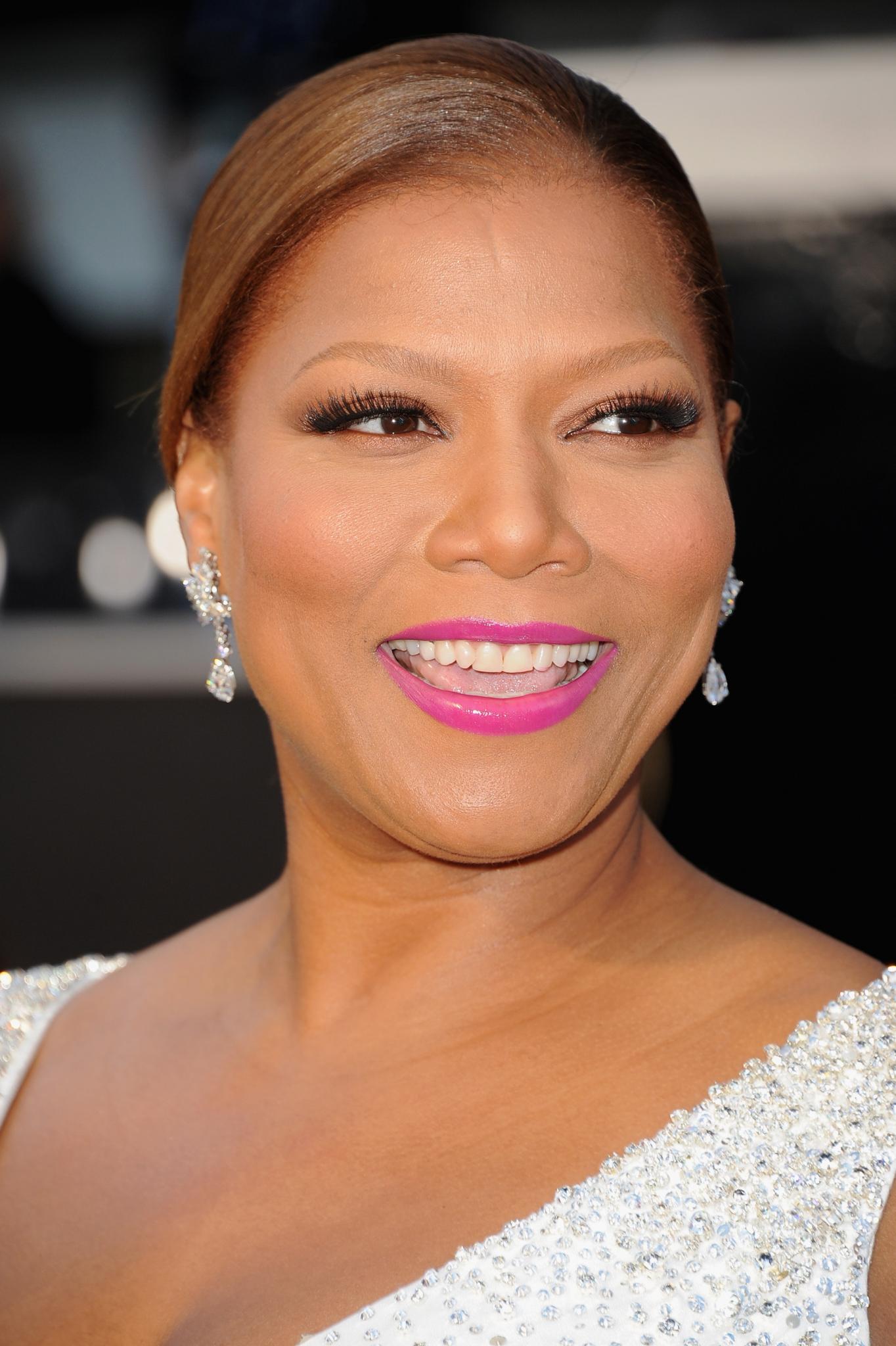
Honestly, if you grew up in the 90s, you probably still have the theme song stuck in your head. "Keep your head up... What! Keep your head up... That's right!" It’s iconic. But here is the thing: Queen Latifah Living Single wasn't just another sitcom in a decade crowded with baggy jeans and neon windbreakers. It was a blueprint. Before there was a Central Perk, there was a Brooklyn brownstone. Before Ross and Rachel were "on a break," Khadijah James was trying to keep Flavor magazine from going under while navigating a complicated situationship with Scooter.
People often forget how radical the show felt in 1993. It didn’t just feature Black characters; it centered on Black excellence, ambition, and the kind of friendship that feels like family. You’ve got a lawyer, a magazine publisher, a stockbroker, and... well, whatever it was Regine was doing at any given moment. It was aspirational without being fake.
The Khadijah James Factor
Queen Latifah was already a hip-hop legend when the show started, but playing Khadijah James turned her into America’s favorite relatable boss. Khadijah wasn’t just the "leader" of the group. She was the anchor. She owned her own business. She dealt with the stress of being a Black entrepreneur in a world that wasn't always cheering for her.
Most people don't realize that Queen Latifah Living Single actually pulled a lot from Latifah's real life. Her real-life mother, Rita Owens, even played her on-screen mom. That chemistry wasn't scripted; it was lived. Latifah has mentioned in recent interviews, including on the ReLiving Single podcast in late 2025, that she initially pushed for the show to be called My Girls. The network changed it, but the heart stayed the same.
The show broke the "fourth wall" in ways we didn't always catch as kids. There's a famous moment where a character tells Khadijah, "You look just like Queen Latifah," and the look she gives the camera is pure gold. It was a meta-commentary on her rising stardom while she was literally building a television empire.
Let’s Address the "Friends" in the Room
We have to talk about it. The comparison between Living Single and Friends isn't just a fan theory; it’s a documented piece of TV history. Warren Littlefield, the former head of NBC, famously saw the success of Queen Latifah Living Single on FOX and admitted he wanted something just like it.
A year later, Friends premiered.
Erika Alexander, who played the sharp-tongued Maxine Shaw, has been incredibly vocal about this. It’s not about hating on the six people in the coffee shop; it’s about the lack of equity. Living Single pioneered the "group of friends in a big city" genre, but it didn't get the same budget, the same global marketing, or the same awards recognition.
- Timeline Check: Living Single (August 1993) vs. Friends (September 1994).
- The Archetypes: You can almost draw a line between the characters. The sarcastic lawyer (Max) vs. the sarcastic Chandler. The fashion-obsessed roommate (Regine) vs. Rachel. The quirky cousin (Synclaire) vs. Phoebe.
- The Setting: Both shows focused on the "friends are the family you choose" dynamic, a concept that was relatively fresh for sitcoms at the time.
While Friends became a global juggernaut, Living Single remained the cultural cornerstone for Black audiences. It proved that you could have a show about Black people that wasn't about "the struggle" in a stereotypical way. It was about life.
Why it Still Hits in 2026
Streaming has given this show a second (and third) life. Younger generations are discovering Khadijah and the gang on platforms like Hulu and Max, and they’re realizing how ahead of its time it was. The fashion alone—Regine’s wigs, Max’s power suits, Khadijah’s oversized jerseys—is being mimicked by influencers today.
But more than the clothes, it's the professional stakes. Khadijah James was a "content creator" before that was even a term. Managing Flavor magazine meant dealing with deadlines, difficult talent, and financial hurdles. For anyone currently trying to make it in the digital space, Khadijah’s hustle is incredibly resonant.
The show also handled romance with a level of maturity that was rare for 90s comedies. The back-and-forth between Max and Kyle wasn't just "will they/won't they." It was a battle of wits between two high-achieving professionals who were terrified of being vulnerable. It felt real.
Key Takeaways for Your Watch List
If you're revisiting the series or diving in for the first time, look for these specific elements that made it special:
- The Cameos: From Eartha Kitt to Heavy D and even a young Terrence Howard, the guest stars were a "Who's Who" of Black culture.
- The Theme Song: Latifah wrote and performed it. It’s one of the few sitcom themes that actually charted and holds up as a legitimate track.
- The "She's Not Heavy, She's My Mother" Episode: This is widely cited by the cast as one of the most emotional and grounded half-hours of television from that era.
- Yvette Lee Bowser’s Vision: As the first Black woman to create and run her own primetime series, Bowser’s perspective is baked into every script.
Queen Latifah Living Single didn't just entertain; it validated. It told a generation of Black women that they could be editors, lawyers, and entrepreneurs. It told them their friendships were their greatest asset.
If you want to experience the legacy yourself, don't just take my word for it. Go back and watch the pilot. Notice how the chemistry is instant. Notice how the jokes aren't dated because they're based on human character, not just 90s tropes.
To really understand the impact, check out the ReLiving Single podcast hosted by Erika Alexander and Kim Coles. They break down the behind-the-scenes politics and the joy of creating a show that, quite frankly, never got its flowers from the mainstream while it was on the air. You can also find high-def remasters of the original seasons on most major streaming services now, which makes those Brooklyn brownstone sets look better than ever.
Take an afternoon, grab some snacks, and spend some time in a 90s kind of world.
Next Steps:
- Stream the Series: Start with Season 1, Episode 1 to see the original "My Girls" chemistry.
- Listen to the Backstory: Search for the "ReLiving Single" podcast episode featuring Yvette Lee Bowser for the raw truth on how the show was pitched.
- Compare and Contrast: Watch a Season 1 episode of Living Single followed by a Season 1 episode of Friends to see the structural parallels for yourself.