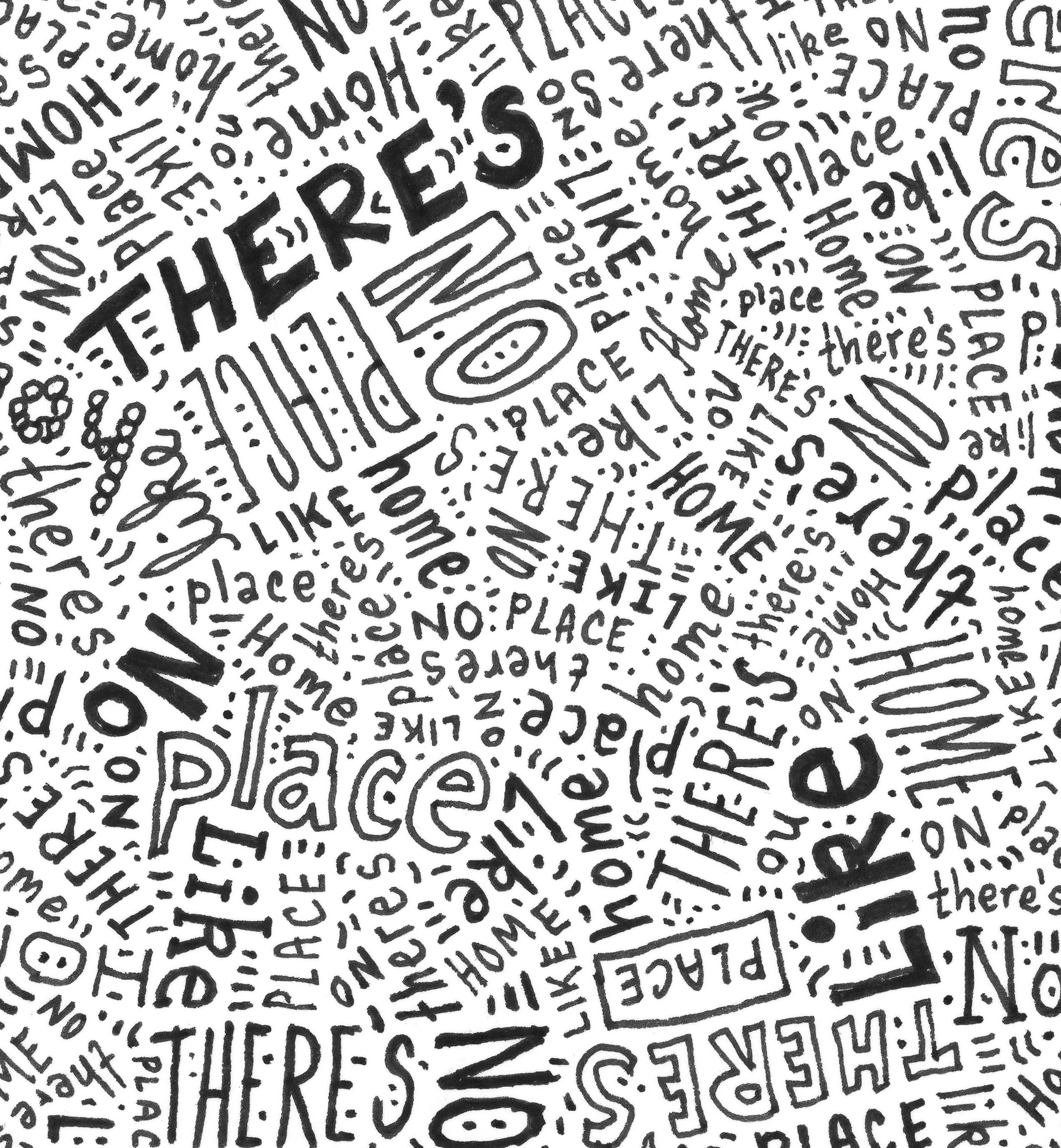
Everyone remembers the ruby slippers. You can see them in your head right now: that deep, sparkling red clicking together three times while Judy Garland whispers the most famous mantra in cinematic history. "There's no place like home." It's basically the DNA of American pop culture at this point. But honestly? The way we talk about the there’s no place like home wizard of oz message is often a bit too surface-level. It’s not just a sweet sentiment for a Hallmark card. It’s actually a pretty complicated, slightly dark, and deeply psychological look at what it means to grow up and realize that the "wizards" of the world are usually just guys behind a curtain.
Most people think the movie is just a colorful musical. It’s not. It’s a fever dream about displacement. When Dorothy Gale gets scooped up by that Kansas twister in 1939, she isn't just traveling to a magical land; she's having a total identity crisis. And the resolution—that famous line—is actually the result of her realizing that the grass isn't greener on the other side of the rainbow. It’s just different grass. Sometimes, that grass wants to kill you with flying monkeys.
The Real Story Behind the Ruby Slippers
If you go back to L. Frank Baum’s original 1900 book, The Wonderful Wizard of Oz, you’ll notice something weird right away. The shoes weren't red. They were silver. MGM changed them to ruby because they wanted to show off the brand-new Technicolor technology. Imagine that. One of the most iconic symbols of "home" only exists because of a marketing decision to highlight a camera's color palette. It kind of changes how you look at the magic, doesn't it?
The phrase there’s no place like home wizard of oz wasn't just a script choice, either. It was a grounding mechanism. During the Great Depression, which was the backdrop for the movie’s release, "home" was a precarious concept. Thousands of families were losing their farms to the Dust Bowl. When Dorothy looks at the sepia-toned, bleak landscape of Kansas and decides she’d rather be there than in a literal palace in the Emerald City, she’s making a radical statement about loyalty and roots. She’s choosing struggle and family over comfort and strangers.
Glinda the Good Witch tells Dorothy at the end that she always had the power to go back. This part used to annoy me. If she had the power, why did she have to walk through a poppy field and almost get her heart cut out by a lady on a broomstick? But that’s the point. You can’t just know there’s no place like home. You have to experience the alternative to believe it. Knowledge is worthless without the journey.
Why Kansas was Sepia and Oz was Neon
The visual contrast is everything. In the 1930s, the transition from the "real world" to the dream world was a technical marvel. Most people hadn't seen anything like it. But look closer at the "home" Dorothy is so desperate to return to. Aunt Em and Uncle Henry are busy. They’re stressed. They can’t save Toto from Miss Gulch. Kansas is hard. It’s dusty. It’s a place where a mean neighbor can legally take your dog away to be destroyed.
Yet, that’s the place she chooses. Why?
Because Oz is fake. The "wizard" is a humbug. The friends she meets—the Scarecrow, Tin Man, and Lion—are actually just the farmhands from back home projected into a dream. Even the villain is just a shadow of the woman who tried to take her dog. Dorothy’s brain took the trauma of her life in Kansas and turned it into a technicolor adventure just so she could process her own bravery. When she says there’s no place like home wizard of oz, she’s accepting her reality, warts and all. She’s saying, "I’d rather be in a place that’s real and difficult than a place that’s beautiful and fraudulent."
The Psychological Hook: Why We Still Quote It
Psychologists have actually spent a lot of time deconstructing why this specific phrase stuck. It’s called the "return to the familiar." Humans are wired to seek safety, but we’re also wired to explore. We’re all Dorothy. We want the adventure, we want to see the wizard, but the second things get scary, we want our bed.
Think about the last time you went on a long vacation. The first three days are amazing. By day ten, you’re dreaming about your own pillow and the specific way your kitchen smells. That’s the there’s no place like home wizard of oz effect in real-time. It’s the realization that "home" isn't a location; it's the place where you don't have to be "on." In Oz, Dorothy had to be a hero. She had to be a savior. In Kansas, she’s just a girl. There’s a massive relief in being "just" yourself.
The Dark Side of the Sentiment
There’s an argument to be made—and some critics like Salman Rushdie have made it—that the ending of the movie is actually kind of a bummer. Rushdie once wrote that the movie is about the "inadequacy of adults." Think about it. Every adult in Oz is either a fraud, a failure, or a villain. Glinda is the only "good" one, and even she manipulates Dorothy into a dangerous quest before telling her she could have left whenever she wanted.
When Dorothy goes back to Kansas and says "I'll never leave here ever, ever again," it sounds a bit like a prisoner enjoying their cell. Is she giving up her dreams of "somewhere over the rainbow" because the world is too scary? Maybe. Or maybe she’s just realizing that the rainbow is a trick of the light. It doesn't actually have a "somewhere" attached to it.
Lessons We Forget About the Emerald City
We get so caught up in the shoes and the phrase that we forget the Wizard himself. He’s a guy from Omaha. He’s a middle-aged dude with a projector who’s been lying to an entire civilization for years. He tells the Scarecrow he doesn't need a brain, he just needs a diploma. He tells the Lion he doesn't need courage, he just needs a medal.
This is the ultimate "fake it 'til you make it" lesson. The characters already had what they were looking for; they just needed a symbolic gesture to believe it. Dorothy didn't need the Wizard to send her home. She needed the journey to prove she was strong enough to survive on her own. The phrase there’s no place like home wizard of oz is the verbal confirmation of her self-reliance. She didn't get home because of a hot air balloon or a magic man. She got home because she decided to go.
Technical Brilliance and 1939
1939 is often called the greatest year in cinema history. You had Gone with the Wind, Mr. Smith Goes to Washington, and The Wizard of Oz. But Oz was the one that became a ritual. For decades, it was shown on TV once a year. Before streaming, before VHS, you had one shot to see Dorothy get home. This created a collective cultural moment. Millions of families sat down together to hear those final words. That’s a big reason why the phrase is burned into our brains. It wasn't just a movie; it was a scheduled event.
How to Apply the Dorothy Philosophy Today
So, what do we actually do with this? If you’re feeling stuck or like you need to escape your "Kansas," here’s the reality check Dorothy learned the hard way.
First off, realize that your "Oz" usually has its own set of flying monkeys. We tend to romanticize the places we aren't. We think a new job, a new city, or a new relationship will be the Technicolor version of our lives. But eventually, the color fades, and you’re just left with yourself again. The lesson of there’s no place like home wizard of oz is that you carry your "home" with you. Your brain, your heart, and your courage aren't things you find at the end of a yellow brick road. You're using them just to walk the path.
Stop looking for a Wizard. Seriously. Whether it’s a lifestyle guru, a career coach, or a "perfect" boss, nobody has the magic spell to fix your life. They’re all just people behind curtains. The "magic" is just you clicking your heels. It’s the decision to be present where you are.
Actionable Takeaways from the Yellow Brick Road
- Audit your "Oz": Are you chasing something because it's shiny, or because it actually adds value to your life? Dorothy found out the Emerald City was mostly smoke and mirrors.
- Recognize your "Farmhands": The people who support you in your boring, everyday life are usually the ones who will show up for you in a crisis. Don't overlook the "Hunks, Hicks, and Zeke's" in your life while you're looking for a Wizard.
- Embrace the Sepia: Life isn't always colorful. Sometimes it's a grind. But the grind is where the roots are. You can't build a life on a rainbow.
- Trust the Journey: You might have the "shoes" to change your life right now, but you probably aren't ready to use them yet. The "poppy fields" and "flying monkeys" of your life are actually training you for the destination.
The power of there’s no place like home wizard of oz isn't that home is perfect. Kansas definitely wasn't perfect. The power is in the choice. It’s about looking at your messy, complicated, "sepia" life and saying, "Yeah, this is mine. And I'm staying." It’s the ultimate act of ownership.
Dorothy woke up back in her bed, surrounded by the people who loved her. She didn't bring any gold back from the Emerald City. She didn't bring any magic. She just brought back the realization that she didn't need to leave to be someone important. She was already Dorothy Gale from Kansas, and that was enough.
Next time you’re feeling like you’re lost in a cyclone, remember the shoes. You’ve probably been wearing them the whole time. You just haven't clicked them together yet.